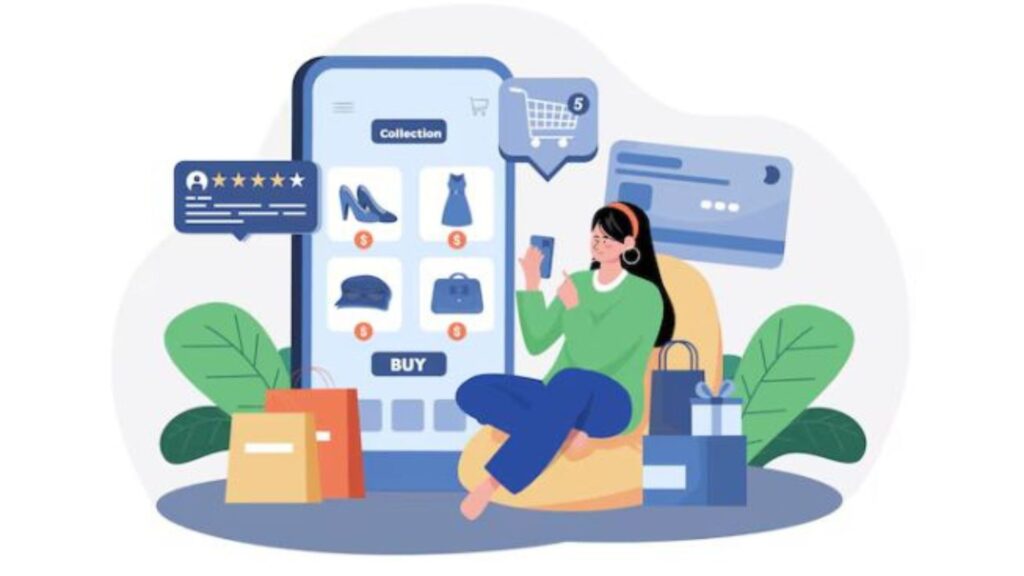
Quick and Easy Buying
In the past, buying something took time. You saw an ad, thought about it, went to a store, and bought it. Now, social media makes it happen in seconds.
You watch a short video of someone using a cream. You click a link on the screen. You buy it instantly without closing the app.

Apps like TikTok and Instagram have built-in shops. Creators can even do live videos to show how products work. They answer questions live and give discount codes, which makes people buy right away.
Trust Drives Sales
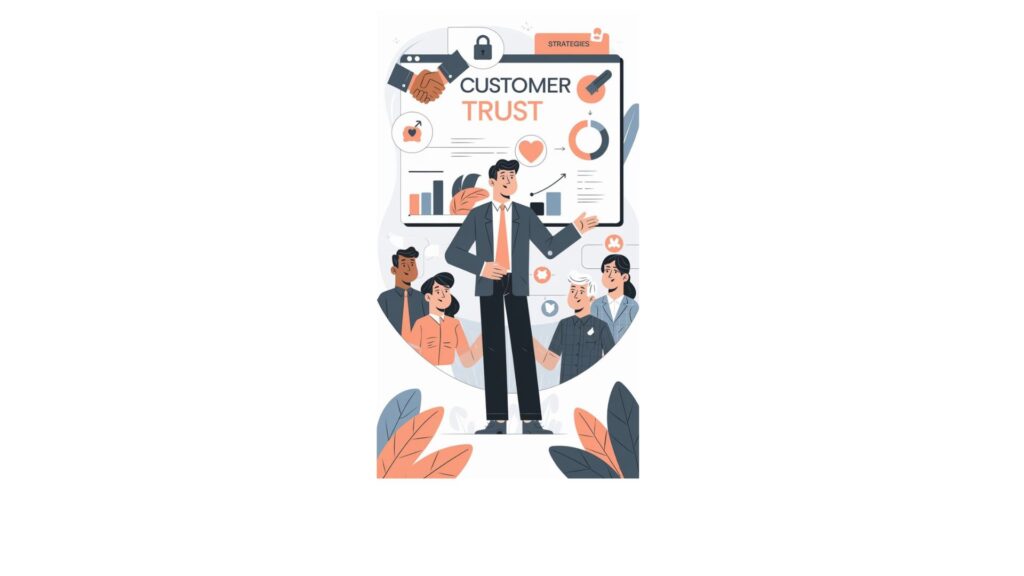
People buy from influencers because they trust them. Old TV commercials feel like corporate sales pitches. Influencers feel like friends sharing good advice.
Creators with smaller followings are very important now. They have close relationships with their fans. Whether they talk about cheap food or green fashion, their followers listen closely. Brands love working with them because their audiences truly care.
Smart Apps Know What You Want
The apps use smart technology to learn what you like. Every time you like a photo or watch a video, the app takes notes.
Soon, your feed shows products that match your style perfectly. You only see things you actually want to buy. This makes shopping online feel very personal.
The Big Challenges
This new way of shopping has some problems. The biggest issue is losing trust. If a creator promotes bad products just for money, fans get angry. Followers will stop watching if they see too many ads.
There are also shipping and return issues. If a product arrives broken or late, shoppers get upset with both the store and the influencer.

From Inspiration to Instant Purchase
Traditionally, the consumer journey followed a linear path: awareness, consideration, intent, and purchase. This process often spanned days or weeks and occurred across multiple channels. Social media has collapsed this funnel into a single, seamless interaction.
Today, a user can watch a 15-second video of a creator reviewing a skincare product, tap a tagged product link, and check out using stored payment information—all without leaving the app. This friction-free environment capitalizes on impulse buying. It turns passive scrolling into active purchasing in seconds.
Platforms have heavily invested in infrastructure to support this behavior. Instagram Shopping, TikTok Shop, and Pinterest Product Pins allow brands and creators to catalog items directly on their profiles. Live shopping events, mirroring modern television shopping networks, let influencers demonstrate products in real time, answer live questions, and offer limited-time discounts that drive immediate conversions.
The Power of Authentic Influence
The engine driving influencer commerce is trust. Traditional advertising often feels clinical and detached. In contrast, influencers build communities based on shared interests, aesthetics, or lifestyles. When an influencer recommends a product, their followers view it as a recommendation from a knowledgeable friend rather than a corporate sales pitch.
Micro- and nano-influencers (creators with fewer than 50,000 followers) have become particularly valuable to brands. While they lack the massive reach of celebrities, they boast incredibly high engagement rates. Their niche focus—whether it is sustainable fashion, indie gaming, or budget meal prep—allows them to cultivate deep loyalty. For brands, partnering with these creators means gaining direct access to a highly targeted, receptive audience that values authenticity over polished production.

Data-Driven Personalization
Social media algorithms play a silent but critical role in the success of influencer commerce. Every like, share, comment, and watch-time second feeds a complex data engine. These algorithms learn a user’s precise preferences, mapping their interests to relevant creators and products.
As a result, users are exposed to highly personalized commerce feeds. You do not just see random advertisements; you see products recommended by creators you already follow, or those with similar styles, tailored exactly to your tastes. This hyper-targeting ensures high conversion rates, making social media advertising exceptionally efficient for brands of all sizes.
Challenges in the Social Marketplace
Despite its rapid growth, influencer commerce faces notable headwinds. The greatest challenge is maintaining consumer trust. As the space becomes highly monetized, audiences are growing skeptical of disingenuous promotions. Overly saturated sponsored content can lead to “influencer fatigue,” where followers tune out recommendations or unfollow creators who seem to prioritize payouts over product quality.
Additionally, data privacy regulations, such as restrictions on cross-app tracking, make it harder for platforms to target ads seamlessly. Fragmented supply chains and varying customer service qualities across direct-to-consumer operations can also lead to poor shipping or return experiences, damaging the reputation of both the influencer and the platform.

The Future of Social Shopping
Looking ahead, influencer commerce will become even more integrated into our daily routines. Augmented Reality (AR) is already allowing users to virtually “try on” clothes, accessories, and makeup through social media filters before buying.
Furthermore, the decentralization of commerce will continue. Creators are moving away from merely sponsoring external brands to launching their own product lines. By leveraging their personal brands and direct audience access, influencers are becoming the retail giants of tomorrow.
Social media has democratized retail. It has given independent creators the power to move inventory faster than traditional storefronts. As technology advances and consumer habits solidify, the line between social networking and digital commerce will disappear entirely.