The Shift Beyond Links: Why GEO is the New B2B Marketing Frontier
Traditional SEO is facing its largest disruption in decades. For years, the ultimate goal of B2B digital marketing was simple: rank on the first page of Google, drive traffic to a landing page, and convert that traffic into qualified leads. However, the rise of conversational AI engines—including ChatGPT, Claude, Perplexity, and Google’s AI Overviews—is fundamentally changing how enterprise buyers research solutions.
Instead of browsing lists of links, procurement teams and corporate executives now ask complex questions directly to AI platforms. According to recent industry projections from firms like Gartner, traditional search engine volume is expected to fall by 25% by the end of this year as conversational interfaces take over.
To survive this shift, high-value B2B brands must pivot toward Generative Engine Optimization (GEO).

What is Generative Engine Optimization (GEO)?
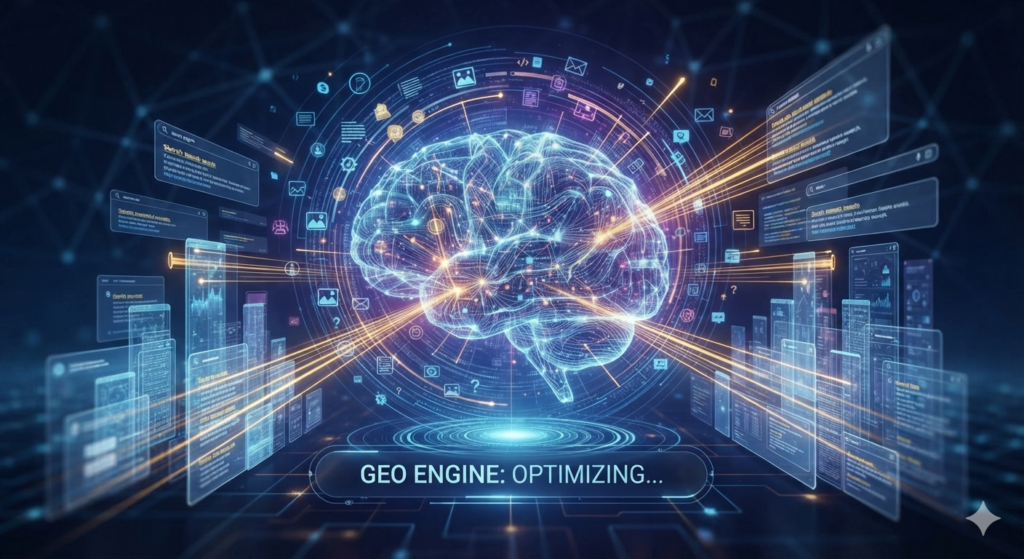
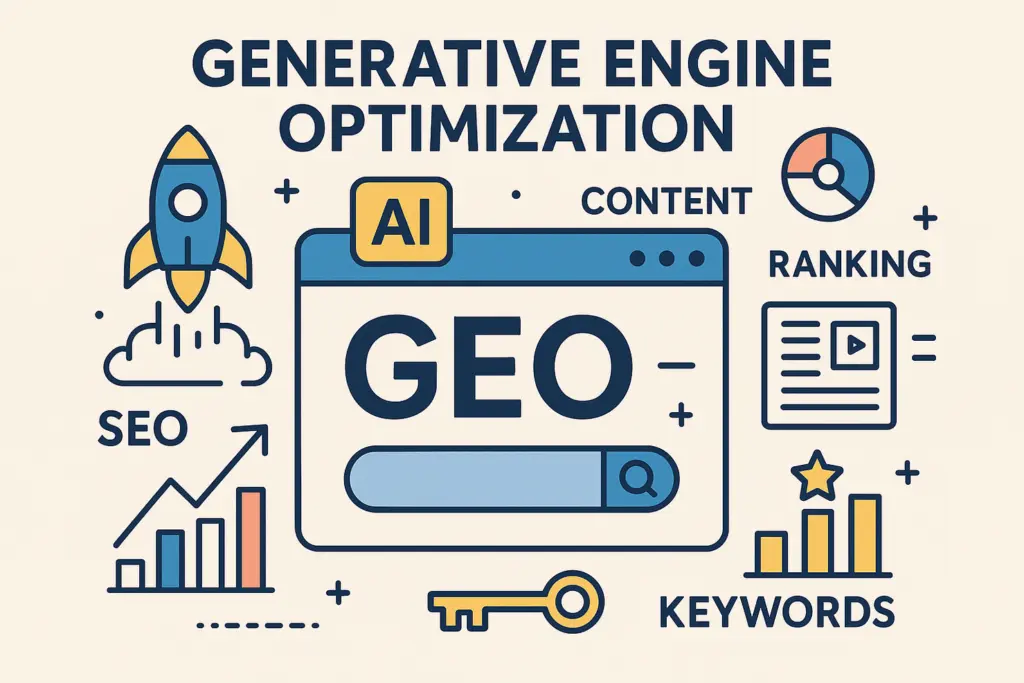
Generative Engine Optimization is the process of structuring your brand’s content, data, and technical infrastructure so that AI models naturally cite and recommend your business in their real-time, conversational summaries.
If SEO is about getting onto the stage, GEO is about providing the script for the speaker. When an enterprise software buyer asks an AI engine to list the “best enterprise ERP software for mid-sized manufacturers,” a successful GEO strategy ensures your platform is explicitly named, accurately summarized, and backed by a high-authority citation link.
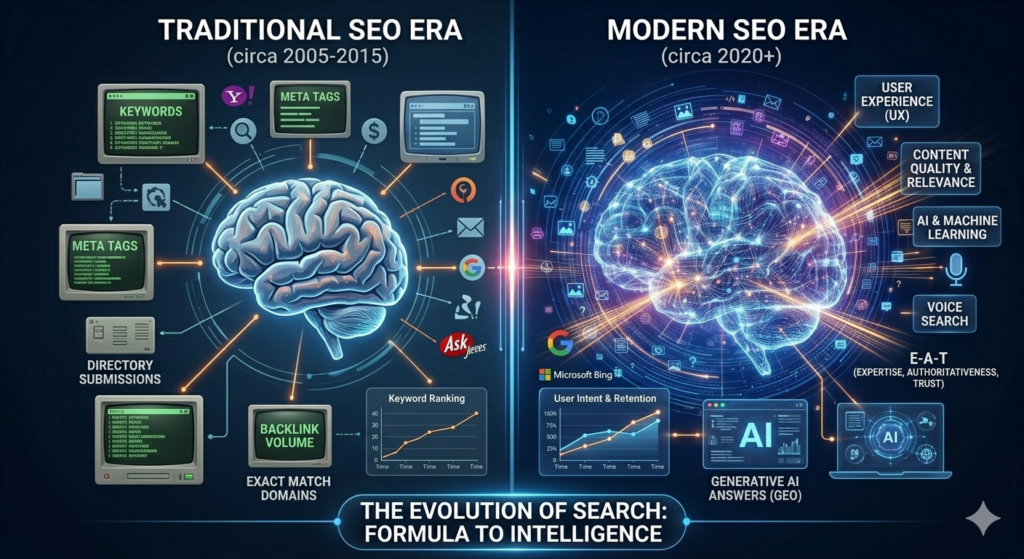
┌────────────────────────────────────────────────────────┐
│                   THE NEW B2B JOURNEY                  │
├───────────────────────────┬────────────────────────────┤
│   Traditional SEO Era     │       Modern GEO Era       │
├───────────────────────────┼────────────────────────────┤
│ • Targeted Keyword Lists  │ • Intent-Based Prompts     │
│ • Ranking in Top 10 Links │ • Inclusion in AI Summaries│
│ • Click-Through Volume    │ • High-Intent Citations    │
└───────────────────────────┴────────────────────────────┘
Why GEO Holds the Highest B2B Value
B2B purchase paths are inherently high-friction, involving multiple corporate stakeholders, long evaluation cycles, and independent research. Buyers spend a massive portion of their journey analyzing alternatives online before ever speaking to a sales representative.
If your company’s insights, case studies, or technical documentation are missing from AI-generated response models, you are effectively invisible during the critical consideration phase. Conversely, being surfaced as a primary source by a major LLM establishes immediate institutional trust. The traffic coming from an AI citation link is already deeply informed and significantly further along in the buying process.
3 Core Pillars of a Modern B2B GEO Strategy
Transitioning your marketing organization from keyword-stuffing to semantic authority requires focusing on three fundamental operational pillars:
1. Enforce Absolute Semantic and Factual Precision
Large language models rely heavily on Retrieval-Augmented Generation (RAG) to fetch up-to-date web information. AI engines favor clear, highly structured data. Replace generic marketing fluff with concrete statistics, verifiable case studies, and definitive answers to specific technical questions. Use clear markdown tables and direct formatting to make your content easy for web crawlers to parse and slice.
2. Maximize Multi-Platform Authority Citations
AI models do not look at your website in a vacuum. They aggregate data across independent environments to verify facts. To build strong brand citations, your company needs consistent mentions across:
- Authoritative third-party industry journals
- Open-source developer repositories or technical documentation
- Peer-to-peer review platforms like G2 or Capterra
- Verified case studies published on co-marketing partner sites
3. Implement Comprehensive Technical Schema Markup
To be machine-readable, your underlying website code must support advanced structured data. Implement detailed JSON-LD schema layouts that explicitly declare your product features, pricing matrices, target industries, and organizational entity relationships. The easier it is for an AI scraper to categorize your exact business capabilities, the more frequently your company will appear in comparative recommendation lists.
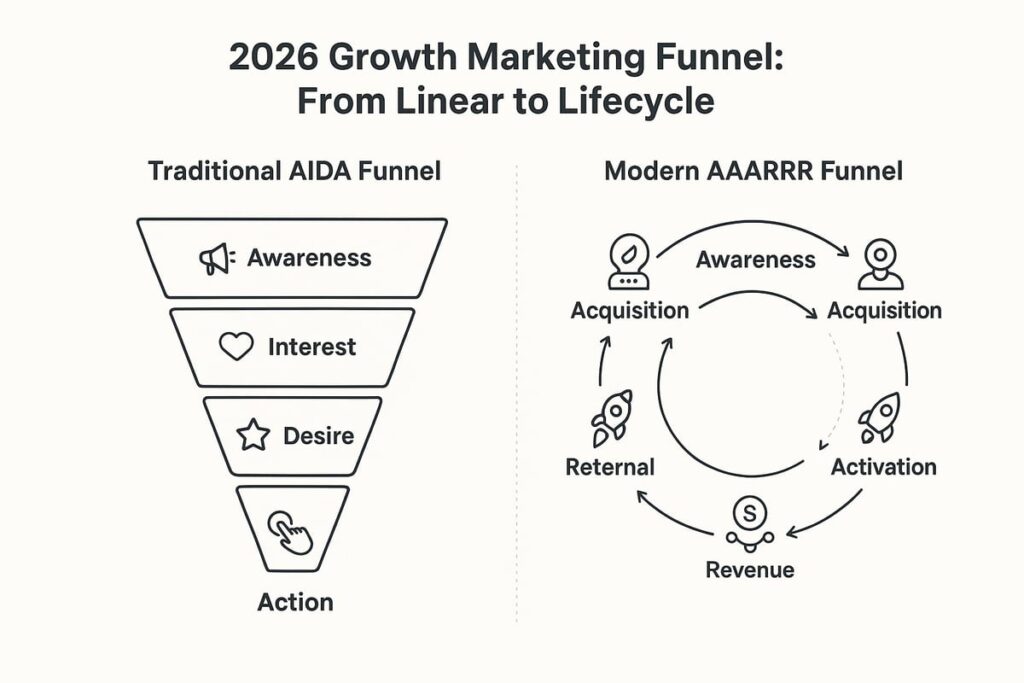
Future-Proofing Your Marketing Funnel
The core tenets of high-quality organic marketing have not changed: you must still build deep, helpful content designed to solve human problems. However, the technical delivery mechanism has evolved. Marketers can no longer rely on simple page-view metrics alone. Success must now be tracked through prompt-level visibility, AI citation frequency, and conversion rates driven by conversational search engines.
By adapting your content architecture for generative engines today, your B2B organization secures a distinct first-mover advantage. You ensure that your brand remains the authoritative voice that corporate buyers see, trust, and act upon.